The product range includes single-frequency and narrow-linewidth CW DPSS lasers form Skylark lasers and high-reptation Q-switched pulsed lasers from Litron Lasers, suitable for a wide range of laboratory and industrial applications.
Skylark Lasers provides narrow-linewidth CW DPSS lasers in UV and NIR wavelengths, with exceptional optical stability and beam quality (M2<1.1). The system is compact with fully integrated electronics and web-based control, plus simplified delivery with the laser and chiller shipped in one crate. The NX UV series remains a reliable, compact alternative to gas lasers.
Litron Lasers specializes in pulsed and Q-switched Nd:YAG and Nd:YLF systems, offering high pulse energies, robust industrial design and true TEM00 beam performance for applications such as precision processing and Ti:Sapphire pumping.
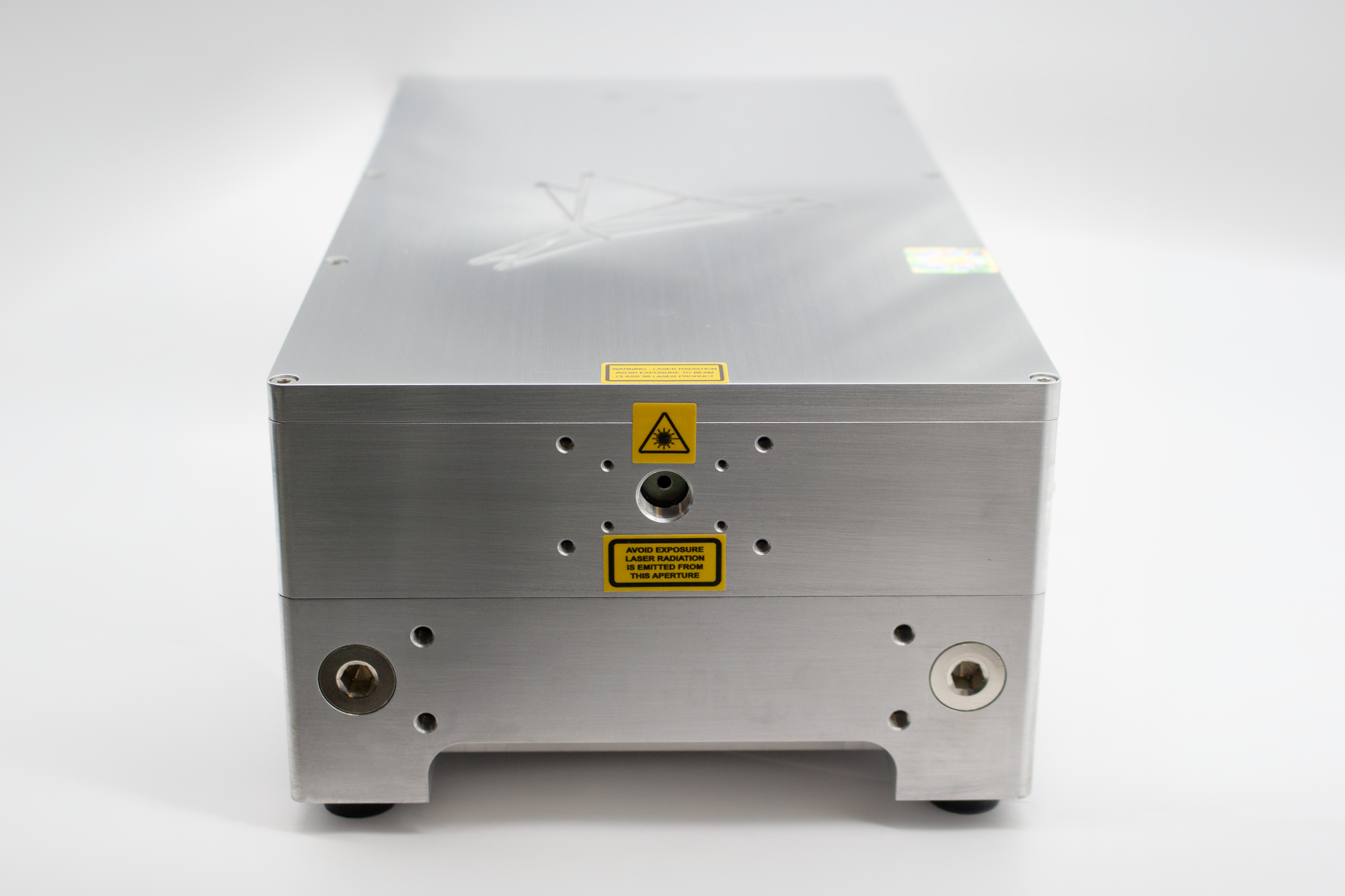
Skylark 320 NX
Up to 200 mW output power
UV wavelength
Single longitudinal mode
Linewidth ≤ 0.5 MHz
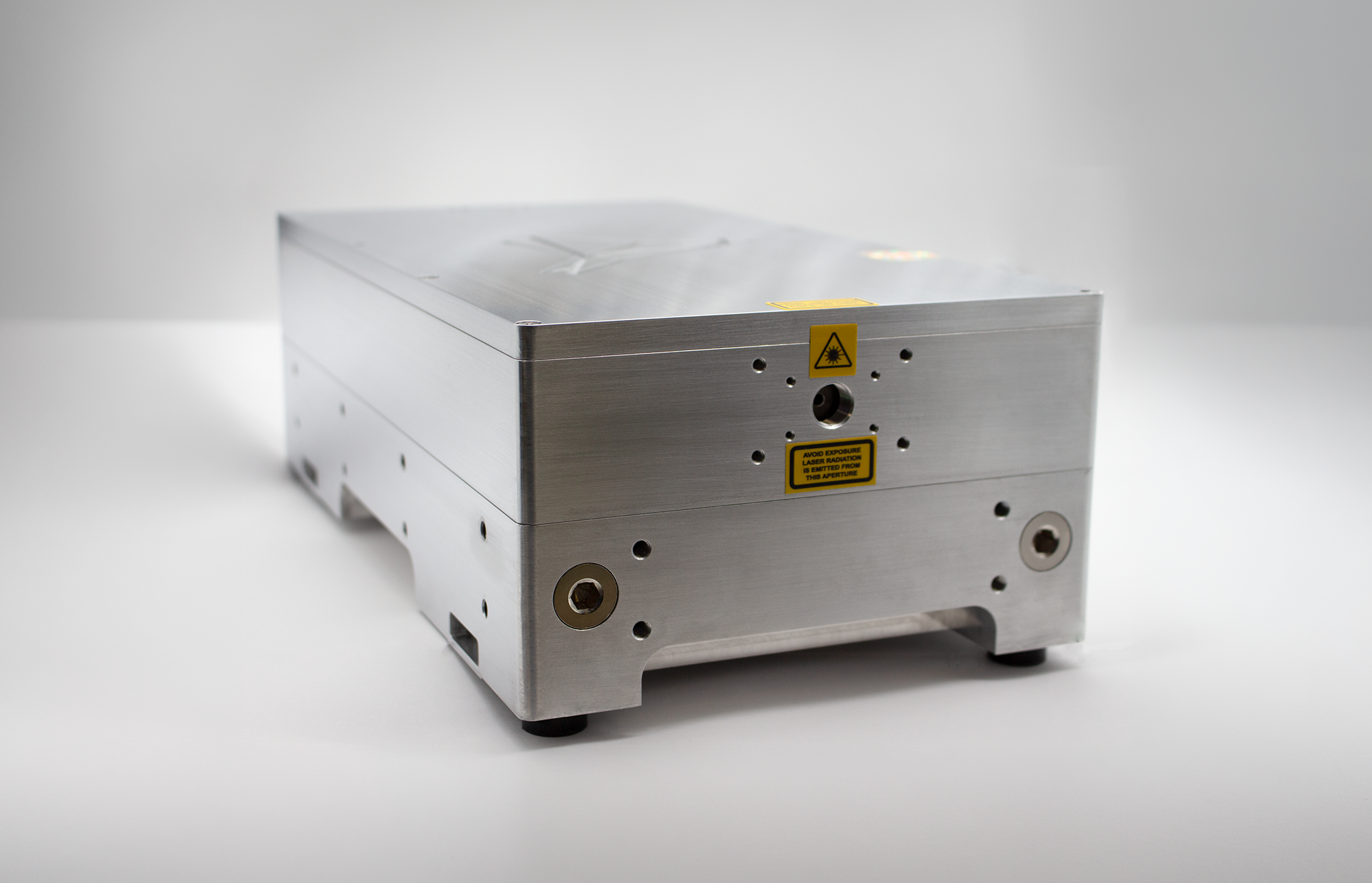
Skylark 349 NX
Up to 400 mW output power
UV wavelength
Single longitudinal mode
Linewidth ≤ 0.5 MHz
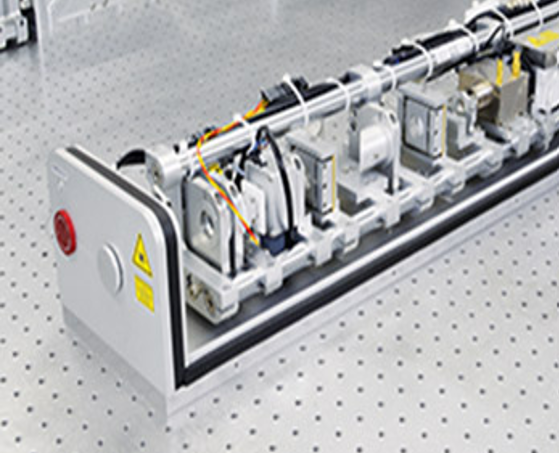
Q-Switched High Rep Rate
LD1053:Up to 30 mJ@1 kHz
LD60-532:Up to 6 mJ@10 kHz
Up to 50 kHz rep rate
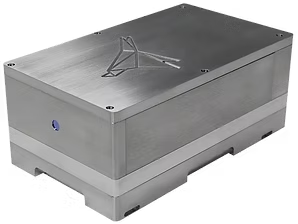
Skylark 780 NX
Output power up to 400 mW
NIR wavelength
Single longitudinal mode
Linewidth ≤ 0.3 MHz
ASE noise < – 80 dB
Skylark 785 NX
Output power up to 400 mW
NIR wavelength
Single longitudinal mode
Linewidth ≤ 0.3 MHz
TEM₀₀ spatial mode
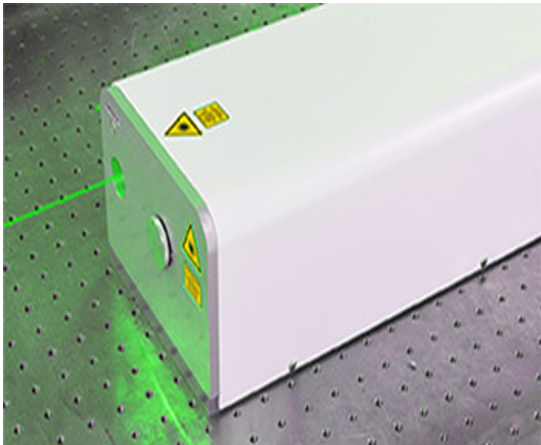
High-power DPSS Laser
LD-527: Intra-cavity doubled Nd:YLF
Up to 30 mJ per pulse.
1 kHz repetition rate
527 nm output wavelength
Skylark NX lasers have wide use in UV Raman spectroscopy, Brillouin microscopy, semiconductor defect detection, and wafer inspection applications due to their precision and reliability. Their performance also makes them ideal for characterizing wide band gap materials such as SiC and InGaN for semiconductors, as well as 2D materials such as graphene and MoS2, with application in quantum technologies targeting rubidium or strontium. In nanofabrication, DPSS lasers support interference lithography, diffraction grating fabrication and optical grating mastering. In addition, they are employed as a stable excitation in sensitive optical measurements in laser interferometry and photoluminescence studies. Read more